
Today, Wednesday, Oct 30th, 4:00PM Chico City Hall, Conference Room 1, will be the site of an extra Architectural Review & Historic Preservation Board (ARHPB) meeting that will decide the fate of a large, native Valley Oak. The tree measures approximately 47 inches in diameter – that’s almost 4 feet across. The reason for its demise is to make way for a Chico State Construction Management class project, headed up by Professor Jim O’Bannon, for 2 side-by-side duplexes on the corner of Salem St and 8th St.
(click on photo to view larger)
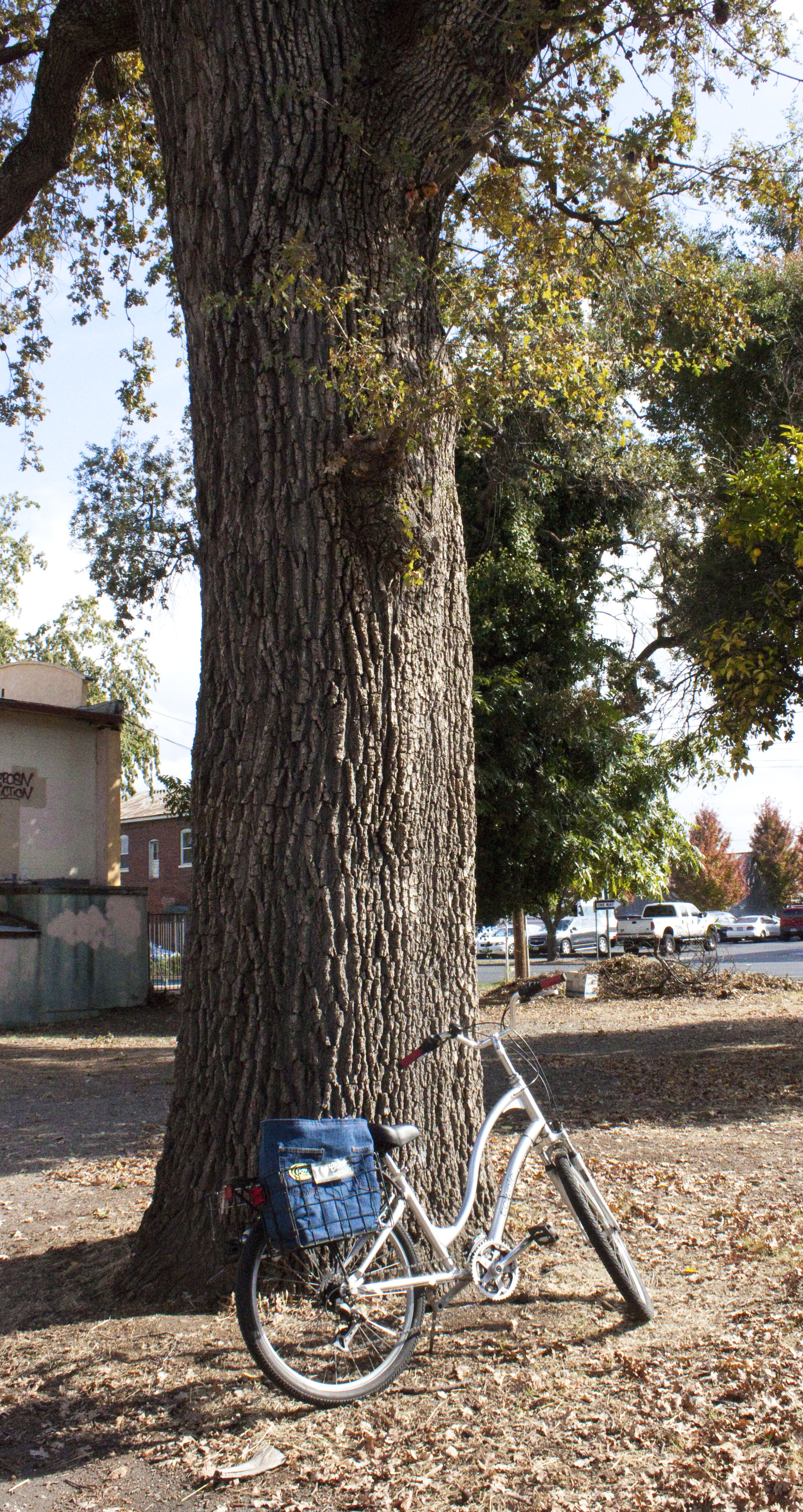
Salem & 8th Sts. and Valley Oak
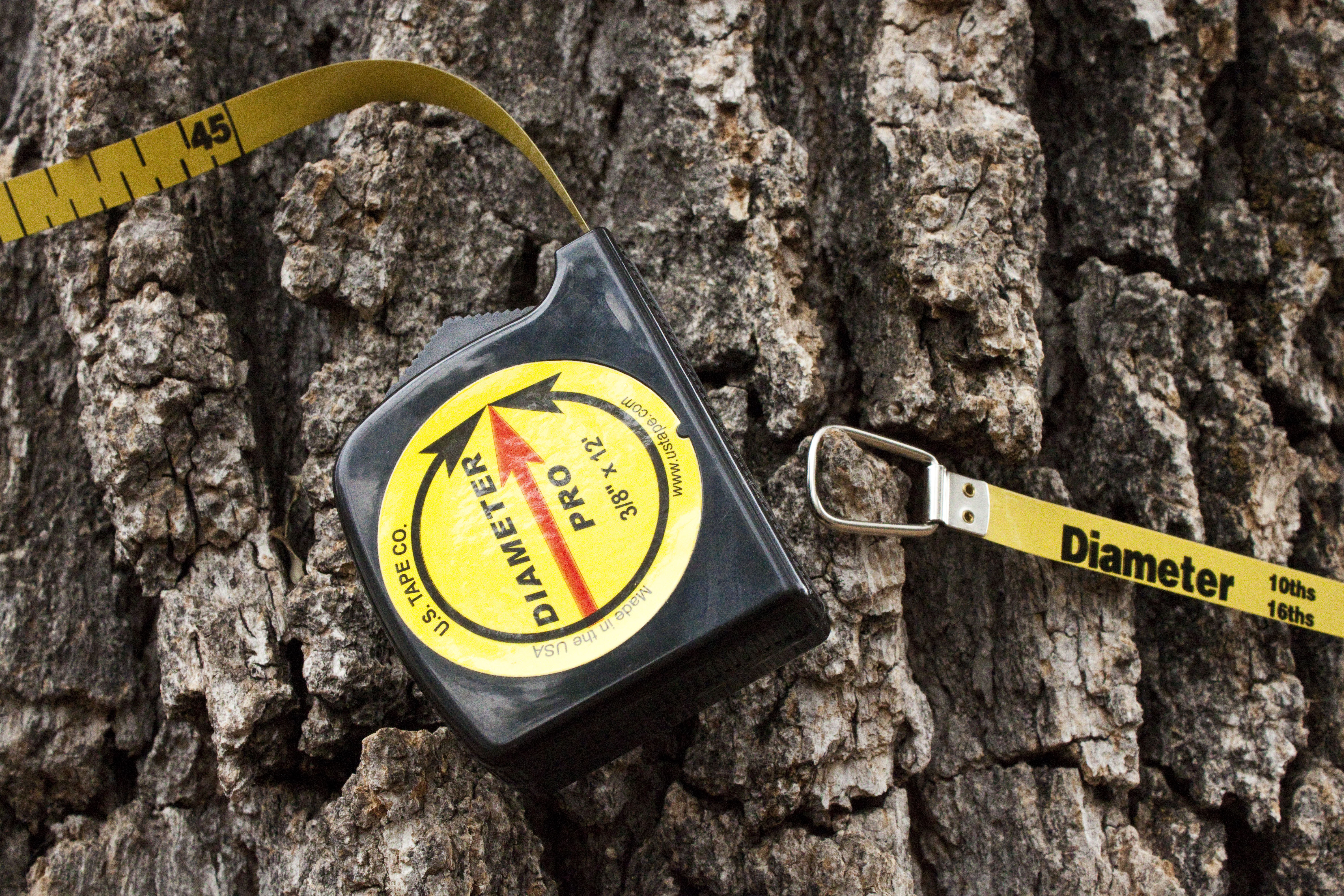
Tree Diameter about 47″

Charles Withuhn measures the Oak

Valley Oak to be removed unless public speaks up
There are at least 2 reasons to protest this project as it’s now drawn:
1. This is an extra ARHPB meeting. The Board usually meets on the 1st and 3rd Wednesdays of the month, which is what the public is used to. The next regularly scheduled meeting is just one week away. This extra meeting was shoved in because the Chico State class didn’t get their act together even though they’ve been working on this project since last March. Now they claim it has to be rushed through the process so they can get it done before the end of the year. There’s a more important lesson here for the students to learn then just how to build a house. Maybe they (and their instructors) need to learn how to meet deadlines without asking others to spend their City’s staff time and money on their project alone while others have to wait in line.
Lastly, if the City is in such dire financial straights that it can’t afford to have City staff attend the Sustainability Task Force meetings, the Bicycle Advisory Committee or the Street Tree Committee meetings then why can it afford to have City staff hold an extra ARHBP meeting? Who authorized this special meeting?
2. The tree could be saved. With some re-drawing of the plans, the duplexes could be either turned or made into two-story apartments that would leave room for the Valley Oak to remain where it’s been for a very long time. In fact, the tree’s present placement would provide much needed shade in the hot summer for the duplexes. The ARHPB has the authority to preserve this tree, and with sufficient community support may well be persuaded to do so.
When the applicants held a “neighborhood meeting” to let the neighbors know what was going to happen the plans called for retaining the big Valley Oak. But when the architectural drawings came before the Planning Dept. the tree was marked “to be removed.” This is the kind of shenanigans that make people not trust their governments.
We need more housing and this type of in-fill construction is just what our General Plan calls for. But our General Plan also calls for preserving our Urban Forest. If we whittle away at it here and there, one or two heritage trees at a time, we soon won’t have the beautiful and valuable Urban Forest that Chicoans love so much.
Please attend this meeting if you can.
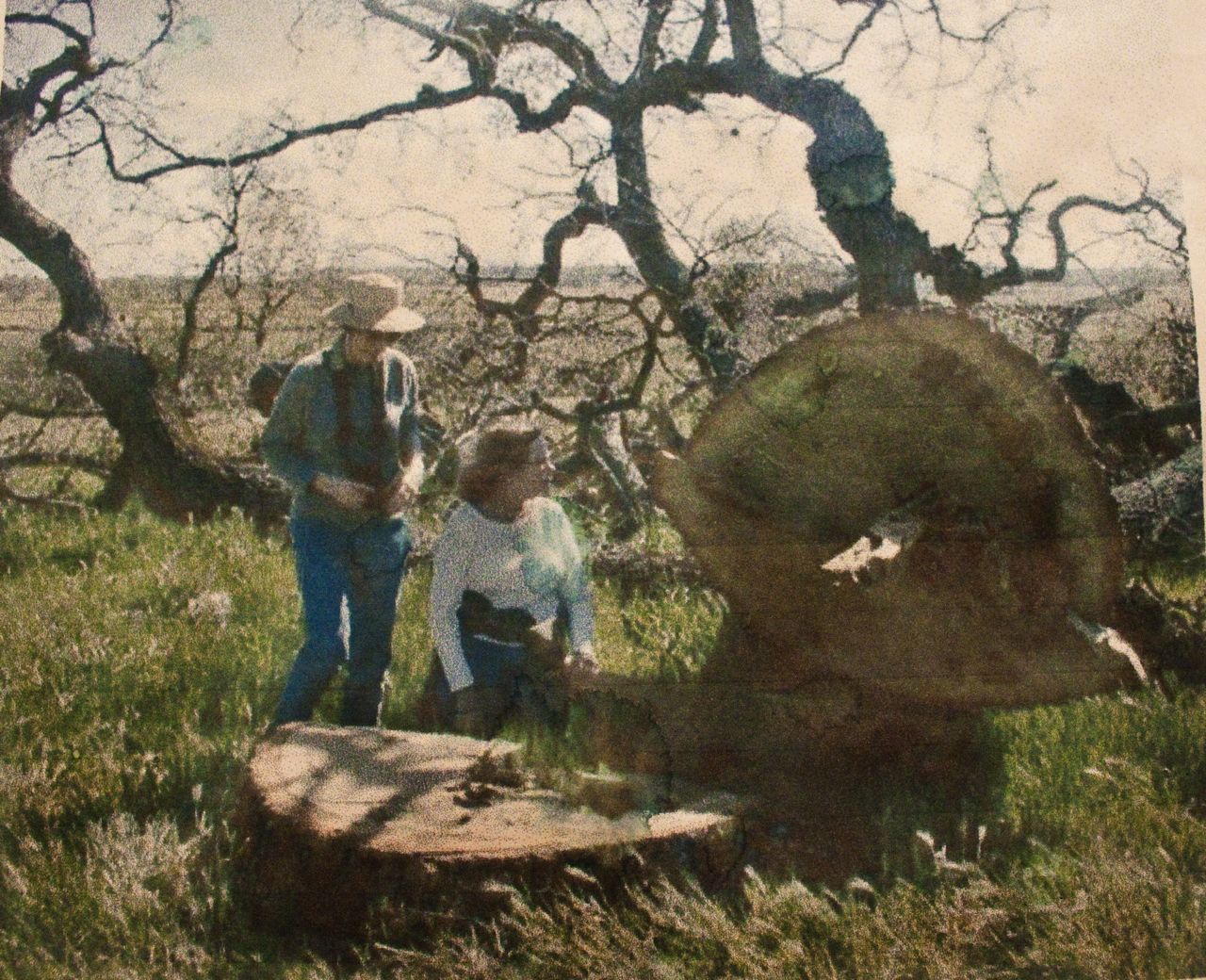
3/29/02, Developer Meghdadi cut down over 100 healthy heritage Valley Oaks. Photo by Tim Bousquet.


 A Picture's Worth
You must be logged in to post a comment.