The California Water Commission will hold a public meeting “to provide information on the Water Storage Investment Program” on Monday, April 13th, 5:30, Elks Lodge, 1705 Manzanita Place, Chico.
Because the majority of the people of California voted for Prop. 1, the Water Bond, in the last election, we now have 2 wacky schemes that, supposedly, will help us get through the current and future drought conditions.
Scheme #1 Build the “off stream” Sites Reservoir over in Glenn/Colusa counties. This scheme will depend on pumping water out of the Sacramento River, dumping it into existing irrigation canals and pumping it up hill to the “reservoir.” The billions spent on this wacky scheme would be better put to use by using it, for example, to restore our wetlands. Wetlands are much more efficient at storing water than big holes in the ground that leak, are subject to evaporation and clogging silt, engulf valleys, are expensive to maintain and dry up during droughts.
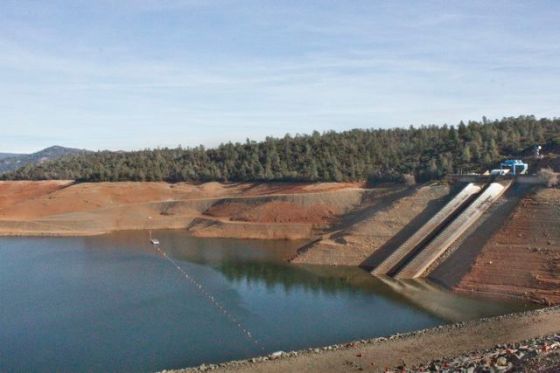
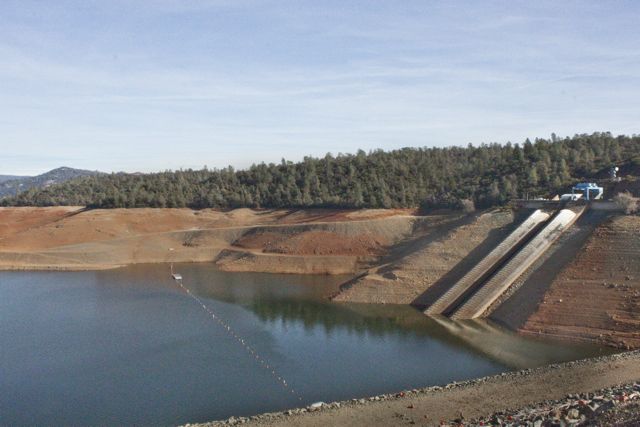
Oroville Dam pumps sticking out of water.
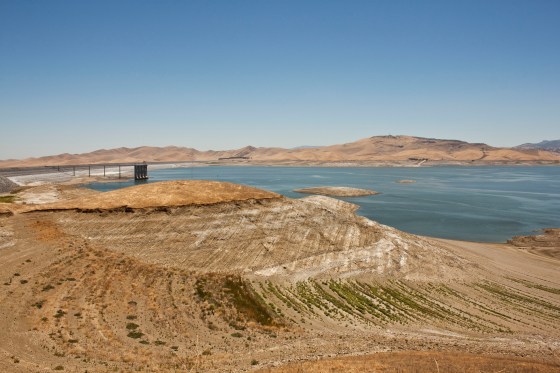
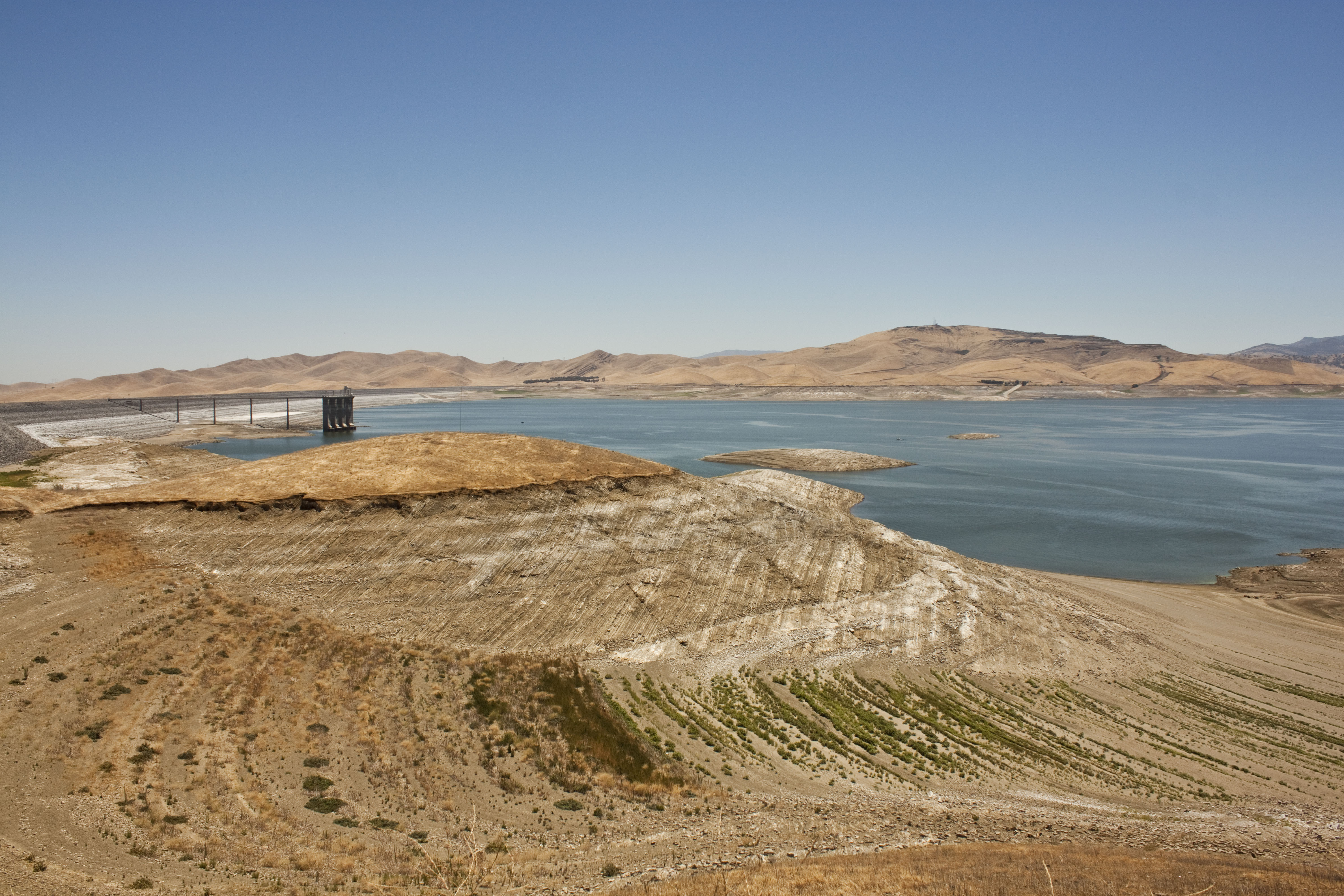
San Luis Reservoir in San Joaquin Valley.
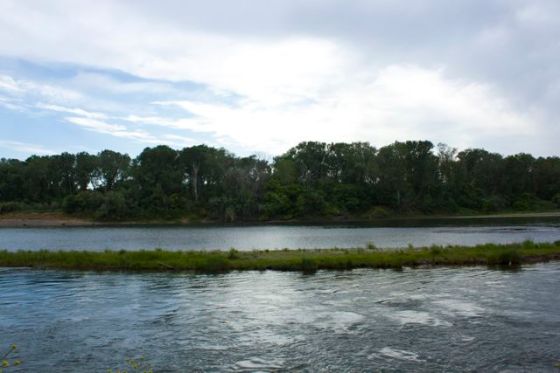
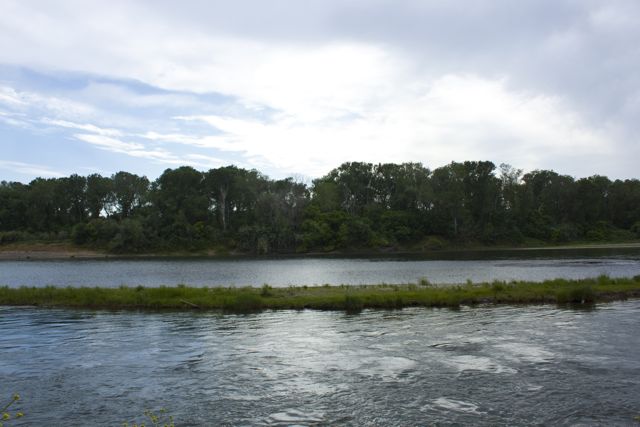
Sacramento River
Scheme #2 is the most wacky and dastardly. I’m no expert but, from what I’ve been able to learn, this is the gist of it: In dry years, big rice farmers would pump huge amounts of ground water to flood their rice fields, with the goal of totally draining the Tuscan Aquifer dry, which would, supposedly, create an empty space for “below-ground water storage.” The rice farmers would then be free to make lots of $$ by selling their allotment of Sacramento River water to the “farmers” down in the San Joaquin Valley so they can irrigate their puny, desert almond orchards, while productive almond growers up here watch their wells go dry.

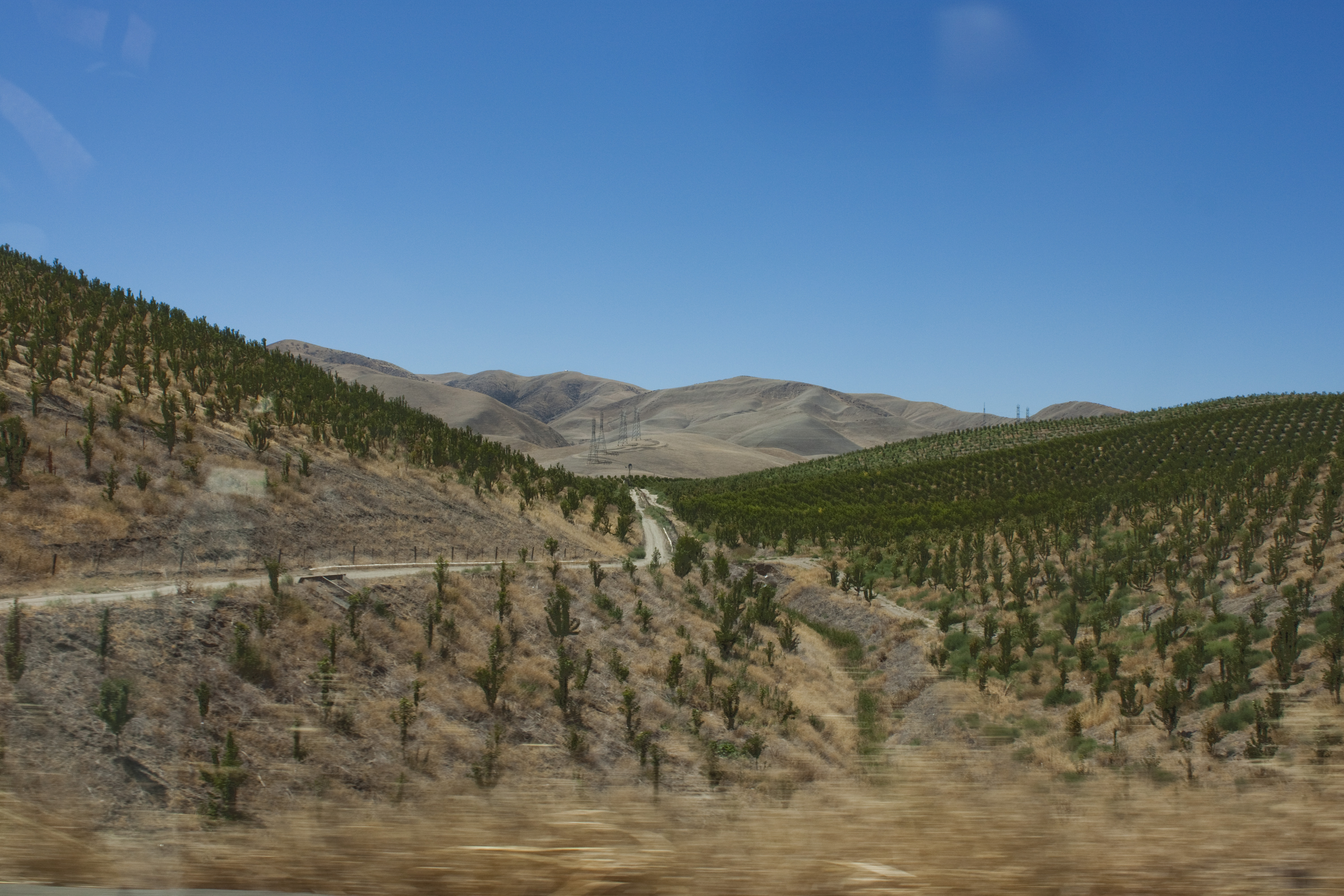
San Joaquin Valley “almond orchard”
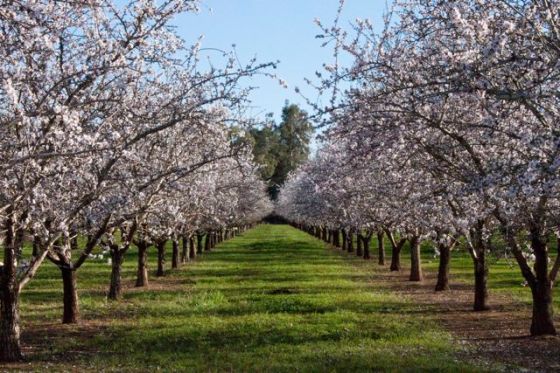
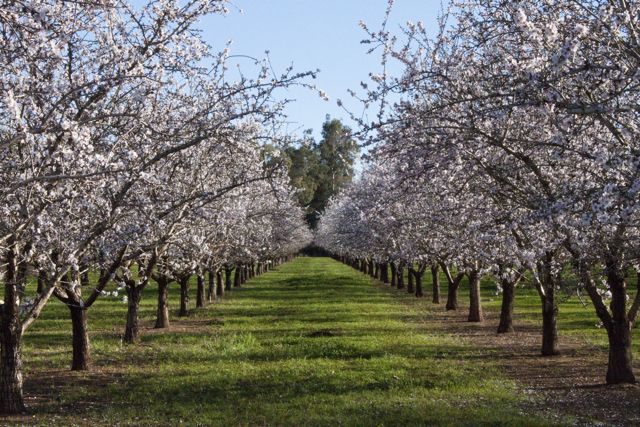
Almond orchard along the Midway near Chico
Then, in “wet years,” the rice farmers would flood their fields with Sacramento River water, which, supposedly, would seep down into the Tuscan Aquifer and refill it.
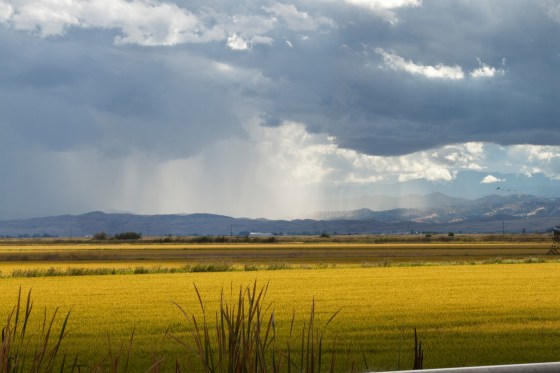
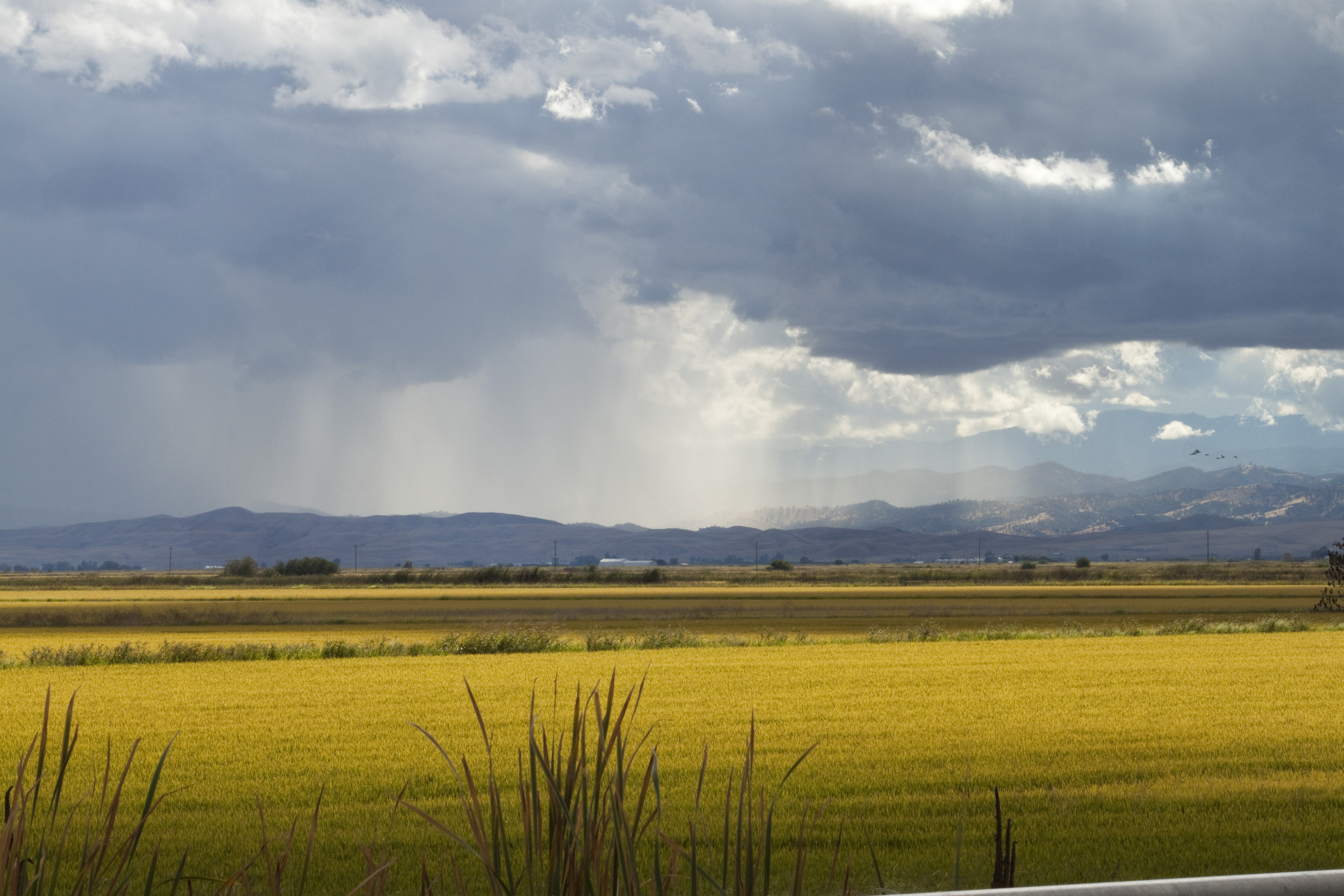
Rice field in Sacramento Valley

Rice silos in Richvale
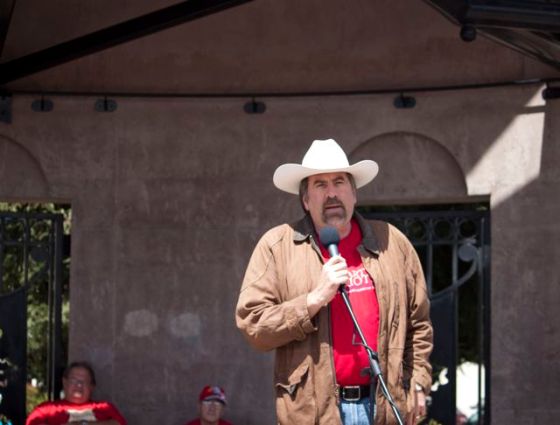
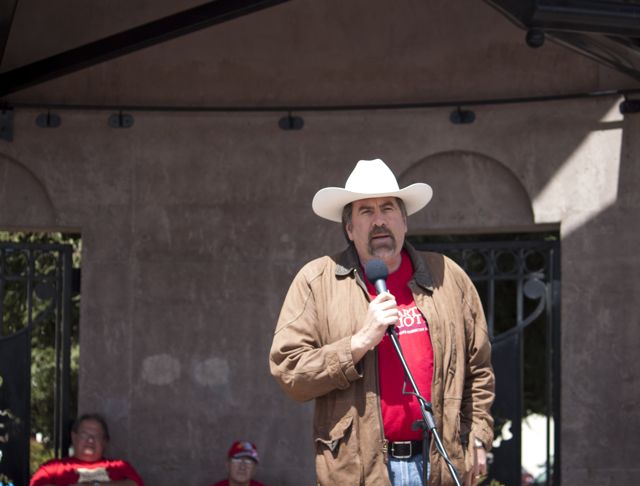
Doug LaMalfa, U.S. House of Reps., District 1 and rice farmer
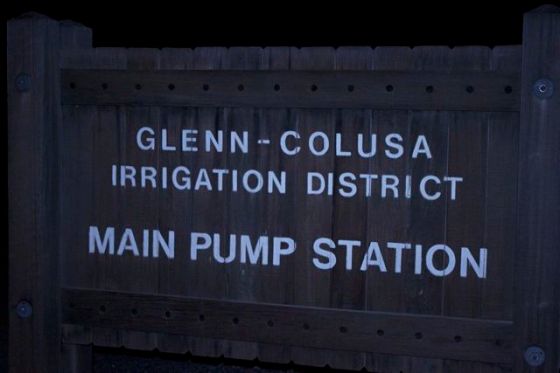
They sell water.

The Delta Mendota water canal – how our water is “transferred.”
It might be the only strategy left for southern California, where they’ve already wiped out their aquifers, but are we willing to sacrifice one of the only intact, natural aquifers left in California to such a wacky scheme? I have questions: Does anyone really know what will happen when this precious water resource is totally drained? Will the whole water system collapse? What, exactly, is a “wet year”? And who would have access to this “stored” water? Wildlife? Valley Oaks? Small, organic family farmers? Urban dwellers? Local fruit and nut farmers? And——– what if there isn’t another wet year for a long, long time?
If you have question too, please attend this meeting.
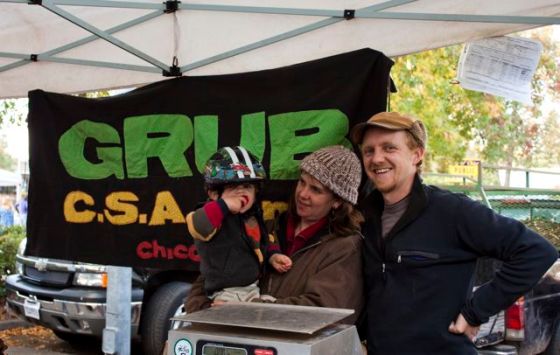
Small, organic, family farmers at the Chico Farmers’ Market
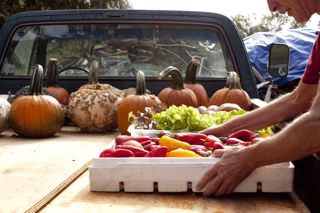
Small, organic farmer loads up his truck for the Chico Farmers’ Market

Urban dwellers, Chico Avenues neighborhood
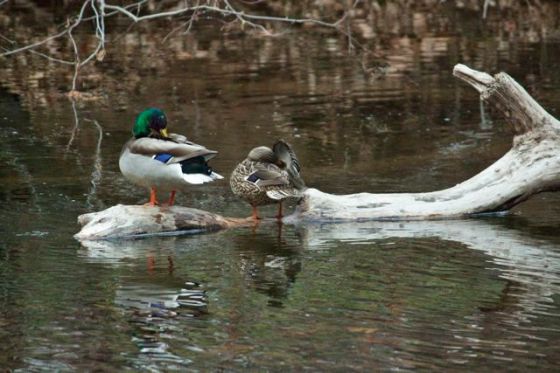
Mallard pair on Chico Creek, Bidwell Park

Young Valley Oaks, Bidwell Park, One Mile
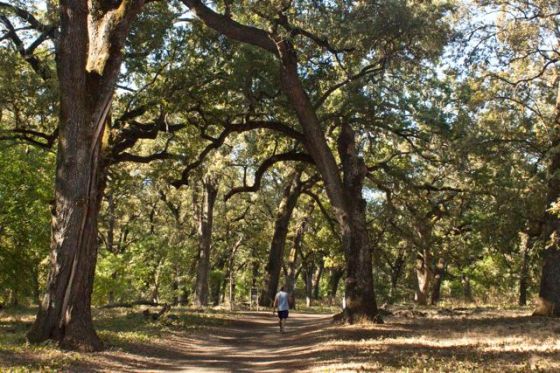
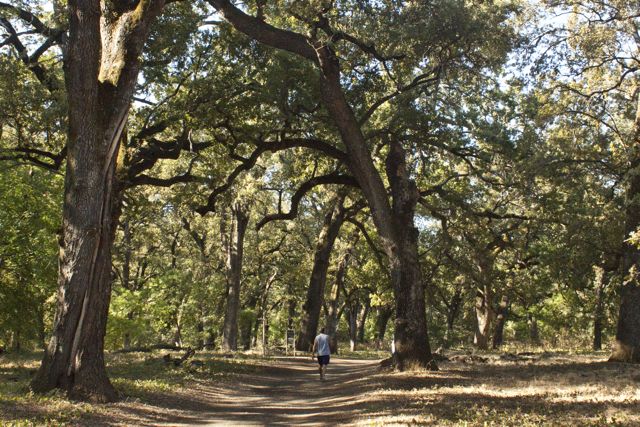
Valley Oaks, Bidwell Park
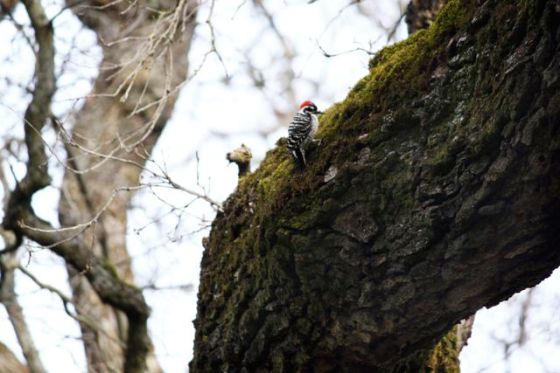
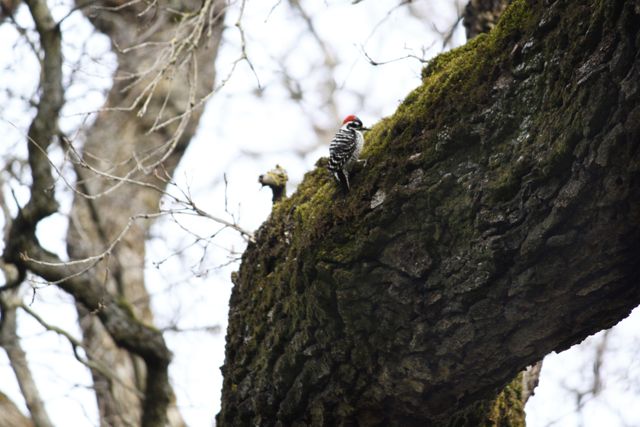
Nuttall’s Woodpecker on Valley Oak, Bidwell Park
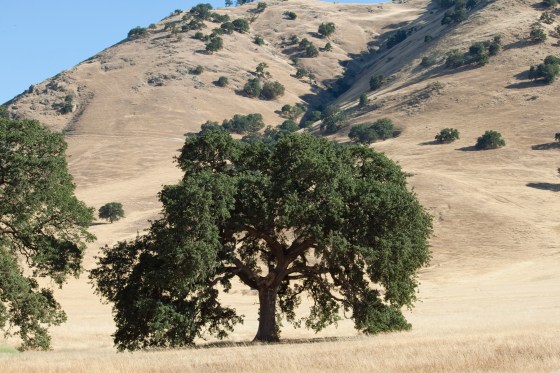
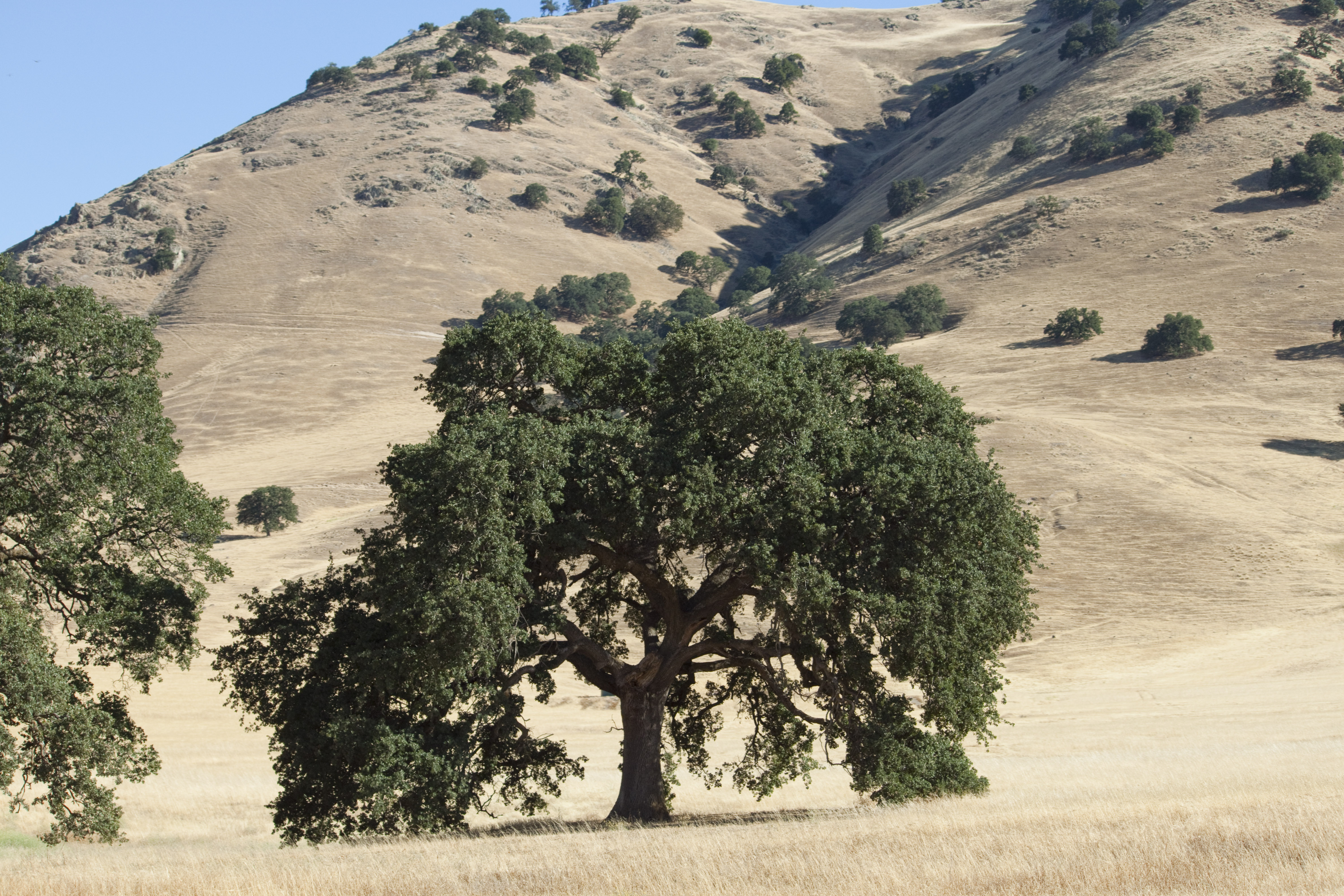
Valley Oak, south side of Sutter Buttes

Pounding water flows over fish ladder at One MIle in Bidwell Park.






 A Picture's Worth
You must be logged in to post a comment.